 General
Spin Winner APK: A Practical Guide to Checking App…
Spin Winner APK: A Practical Guide to Checking App Details Before You Install
Search interest in the Spin Winner APK tends to spike whenever a new app name starts circulating in group chats and short videos. People want to know what the file actually is, whether the download source is trustworthy, and what they should check before tapping install. This guide walks through a calm, practical way to evaluate an app file, using the same comparison habits that review platforms apply when they line up Yono and rummy-style apps for users in India. The goal is not to hype anything. It is to help you slow down, read the details, and make a decision that fits your own comfort level.
An APK, short for Android Package Kit, is simply the installable file format for Android apps. When someone says “Spin Winner APK,” they usually mean an Android app that is distributed as a direct file download rather than through the Google Play Store. That single detail changes almost everything about how you should approach it, because sideloaded apps do not go through the same store review pipeline that Play Store listings do.
Why the APK Format Matters More Than the App Name
App names are marketing. File formats are technical reality. A catchy name tells you almost nothing about who built the app, what permissions it requests, or how it handles your data. The APK format, on the other hand, tells you something concrete: the app is being delivered outside the standard store channel, which means the responsibility for verifying the source shifts to you.
This is not automatically a red flag. Plenty of legitimate apps distribute APKs directly, especially in regions where Play Store availability is limited or where developers want faster update cycles. But it does mean you should apply a few extra checks before installing anything. Think of it the way you would think about buying electronics from an unfamiliar shop: the product might be perfectly fine, but you want to look at the packaging, the warranty terms, and the return policy before you pay.
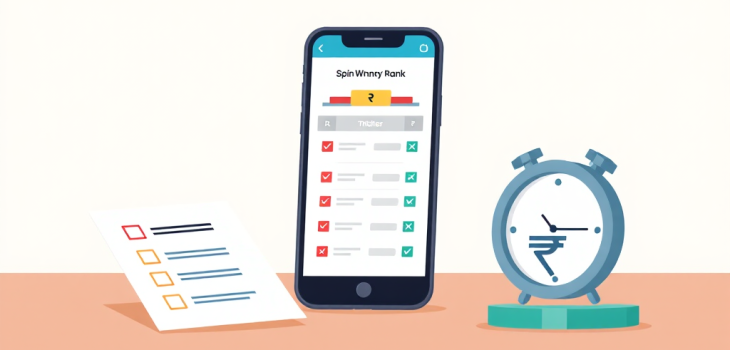
For anyone comparing real-money gaming apps in India, this habit is especially useful. Platforms that publish independent scoreboards, like the ones maintained by Yono Rummy Rank, tend to evaluate apps on criteria such as bonus terms, withdrawal information, and access options rather than on branding alone. That is a sensible framework, and you can borrow it for any APK you encounter.
A Simple Checklist for Evaluating Any App File
Before you install a sideloaded app, run through a short checklist. It takes a few minutes and saves a lot of second-guessing later.
1. Identify the publisher. Look for a company name, a support email, or a physical address. Anonymous publishers are harder to hold accountable if something goes wrong.
2. Read the permission list. An app that requests access to your contacts, SMS messages, and call logs when it has no obvious reason to need them deserves scrutiny. Permissions should match function.
3. Check the file size and version. Unusually small files for feature-heavy apps, or version numbers that jump around without explanation, are worth pausing over.
4. Look for a privacy policy. If the app collects data, there should be a document explaining what is collected and why. No policy is itself a signal.
5. Verify the download source. Prefer official developer pages over third-party mirror sites. Mirrors can bundle extra code into otherwise legitimate files.
6. Search for independent reviews. Comparison sites and community forums often surface issues that the app’s own marketing pages will not mention.
None of these steps guarantees safety, but together they filter out the most obvious problems. They also give you a vocabulary for asking better questions, which is often more valuable than any single answer.
How Comparison Platforms Approach App Reviews
Independent comparison platforms exist because app stores and marketing pages are not neutral. A store wants you to install something. A comparison site, at its best, wants you to understand the trade-offs. The useful ones publish their evaluation criteria openly, so you can see what they measured and decide whether those measurements matter to you.
Typical criteria include:
Bonus terms. How is a bonus calculated? What conditions must be met before it becomes usable? Are the conditions stated in plain language or buried in fine print?
Withdrawal information. What methods are supported? How long do withdrawals typically take? Are there minimum thresholds or processing fees?
Access options. Is the app available in your region? Does it require a specific Android version? Are there alternatives if the primary download link fails?
Support quality. Is there a working contact channel? How responsive is it? Do user reports suggest consistent answers or inconsistent ones?
When you see a scoreboard that evaluates apps across these dimensions, you are looking at a structured opinion rather than a slogan. That structure is what makes it useful. It gives you a way to compare two apps that both claim to be the best, without relying on either one’s marketing copy.
Common Claims You Should Read Carefully
App descriptions often use language that sounds specific but is actually vague. Learning to spot the difference is a skill worth developing.
Phrases like “instant withdrawal” usually mean “withdrawal requests are processed quickly once eligibility conditions are met.” The conditions are the important part. Phrases like “welcome bonus” often hide a turnover requirement, which is a condition that must be satisfied before any bonus funds can be withdrawn. Phrases like “trusted by thousands” are unverifiable without a source.
This is not to say such claims are dishonest. It is to say that marketing language compresses detail, and you should decompress it before making decisions. A good habit is to rewrite any claim in your own words and see whether it still sounds as impressive. “Instant withdrawal subject to eligibility conditions and processing times” is a very different sentence from “instant withdrawal.”
If you are comparing multiple apps, keep a simple note for each one. Write down the claim, the condition attached to it, and whether the condition is clearly explained. After three or four apps, patterns start to emerge, and you will notice which publishers communicate clearly and which ones rely on ambiguity.
Responsible Use and the 18+ Boundary
Many apps in the real-money gaming space are intended for adults only. That is not a formality. It reflects the fact that these apps involve financial decisions, and financial decisions carry risk. Responsible gaming resources emphasize three habits: setting time limits before you start, setting spending limits before you start, and treating any money you commit as money you can afford to lose.
These habits apply regardless of which app you use. They also apply to how you evaluate apps. If a publisher makes it hard to find withdrawal terms, or if support channels are unresponsive, that is information about how the app treats its users. Pay attention to it.
It is also worth remembering that no app, bonus, or strategy guarantees winnings. Any source that implies otherwise is either misunderstanding how these products work or deliberately overstating. A clear-eyed approach is to treat the app as entertainment with a cost, not as an income plan.
Where to Go for Independent App Comparisons
If your goal is to compare Yono and rummy-style apps available in India, start with platforms that publish their criteria and update their rankings. A comparison site that explains its scoring is more useful than one that simply lists winners. Look for sites that cover app details, bonus terms, withdrawal information, and access options in a consistent format, so you can compare like with like.
It also helps to read across multiple sources. No single review captures everything, and different reviewers notice different details. If three independent sources mention the same strength or the same weakness, that pattern is more reliable than any single review. If sources disagree, that disagreement is itself useful information, because it tells you which aspects of the app are genuinely debatable.
Finally, treat any app file you download as something to verify rather than something to trust by default. The Spin Winner APK, like any sideloaded file, deserves the same scrutiny you would apply to a new financial tool. Check the publisher, read the permissions, look for a privacy policy, and compare the terms against alternatives. That process takes a few minutes and gives you a much clearer picture than the app’s name alone ever could.
Frequently Asked Questions
What is an APK file?
An APK is the installable file format for Android apps. It contains the app’s code, resources, and manifest, which lists the permissions the app requests. APKs are used both by app stores and by direct downloads, though direct downloads bypass the store’s review process.
Is it safe to install an APK from a third-party website?
It depends on the source. Official developer pages are generally safer than mirror sites, which can modify files. Before installing, check the publisher, review the permission list, look for a privacy policy, and search for independent reviews. If any of those checks raise questions, wait until you have clearer answers.
How do I compare two similar gaming apps?
Use a consistent framework. Compare bonus terms, withdrawal information, access options, and support quality across both apps. Write down the specific conditions attached to each claim, then compare the conditions rather than the slogans. Independent comparison sites that publish their criteria can save time here.
What should I check before trusting a bonus offer?
Look for the conditions. A bonus usually has requirements attached, such as a turnover threshold or a time limit. Find out what those requirements are, how they are calculated, and whether they are explained in plain language. If the terms are hard to locate, that is worth noting.
Are these apps suitable for everyone?
No. Many real-money gaming apps are intended for adults aged 18 and over. They involve financial decisions and carry risk. Responsible gaming resources recommend setting time and spending limits before you start, and treating any money you commit as money you can afford to lose.